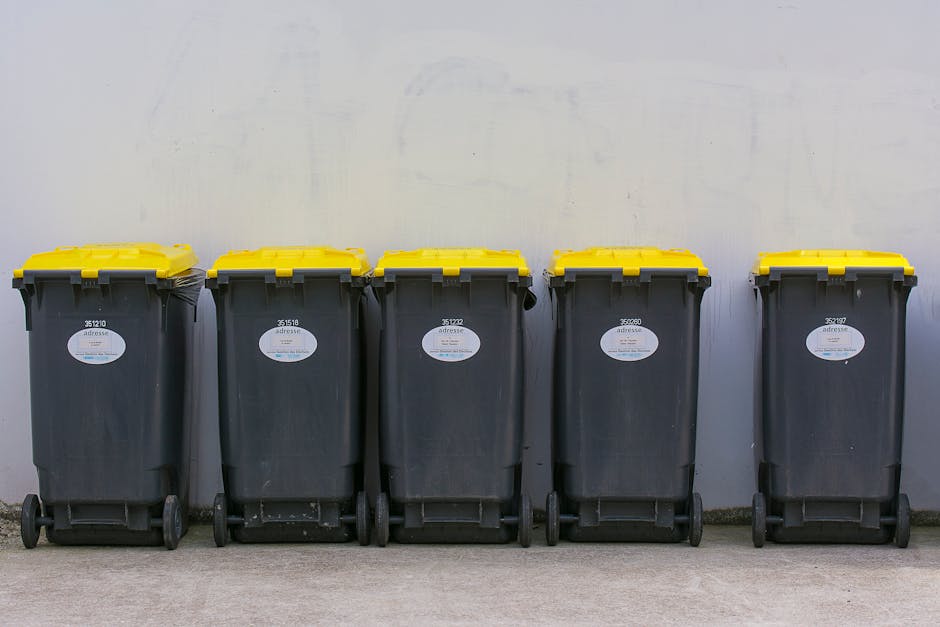
Kingston Council rubbish disposal rules for Chessington homes
If you live in Chessington and you're trying to work out where a sofa, a broken fridge, a pile of garden cuttings, or last weekend's renovation rubble actually belongs, you're not alone. Kingston Council rubbish disposal rules for Chessington homes can feel straightforward at first glance, then suddenly not so straightforward when you're standing by the bins on a damp Tuesday evening wondering whether something can go out for collection, needs a special booking, or should be handled another way. This guide breaks it down clearly, so you can avoid missed collections, extra charges, and the sort of "I'll deal with it later" pile that quietly grows legs.
We'll cover how the rules work in practice, what tends to cause problems, and how Chessington households can dispose of waste responsibly without overcomplicating the process. You'll also find a checklist, a comparison table, and a few practical examples from real-life home situations. Nothing fancy. Just useful, local, plain-English guidance.
Table of Contents
- Why these rubbish disposal rules matter
- How the system works in Chessington homes
- Key benefits and practical advantages
- Who this is for and when it makes sense
- Step-by-step guidance
- Expert tips for better results
- Common mistakes to avoid
- Tools, resources and recommendations
- Law, compliance, standards, and best practice
- Options, methods, or comparison table
- Case study or real-world example
- Practical checklist
- Conclusion
- Frequently Asked Questions
Why Kingston Council rubbish disposal rules for Chessington homes Matters
Rubbish rules might sound like one of those dry household admin jobs that nobody wants to think about. But they matter for a few very real reasons. First, putting the wrong thing in the wrong bin can lead to rejected collections or contamination, which is frustrating for you and messy for everyone else on the street. Second, bulky waste, electrical items, and renovation debris often have their own disposal pathways. If you guess, you can easily waste time or money.
There's also the neighbourly side of it. Chessington has a mix of family homes, flats, older properties, and gardens that all generate different types of waste. On a practical level, that means one household might mainly worry about food waste and packaging, while another is staring at a garage full of old furniture, broken tools, and a rusty barbecue that nobody wants to move. Different waste needs different handling. Simple as that.
And then there's the legal and environmental angle. Councils generally expect household waste to be presented correctly, with hazardous or restricted items kept separate. That's not just bureaucracy for the sake of it. It helps keep collections safe, supports recycling, and reduces the chance of contamination. To be fair, the system works much better when residents know the basics and don't try to improvise with a black bag and hope.
Expert summary: the big win is not just "getting rid of rubbish." It's getting rid of it in the right way, first time, without causing a collection issue, an unnecessary trip to a tip, or a bin day headache.
How Kingston Council rubbish disposal rules for Chessington homes Works
In day-to-day terms, rubbish disposal for Chessington homes usually falls into a few broad categories: standard household waste, recycling, food waste, garden waste, bulky items, and special or potentially hazardous items. The exact collection arrangements can vary depending on your property type, what you're disposing of, and the council's current service provisions. That's why it pays to think in categories rather than lumping everything into "stuff to throw away."
Standard household waste is the ordinary mixed rubbish that cannot be recycled through the usual household streams. Recycling, on the other hand, should be kept clean and sorted according to the collection rules in place. Food waste needs to stay separate if a dedicated collection is available. Garden waste may also follow a different route, particularly for larger green jobs after pruning, clearing beds, or tackling an overgrown shed corner that has become a small jungle over winter.
Bulky waste is where many Chessington residents need extra thought. Sofas, wardrobes, mattresses, fridges, and other large items generally need separate handling. Some are suitable for a council bulky collection if that service is available; others may need specialist disposal because they contain components that must be treated properly. For example, an old fridge is not the same as a broken stool. One is just awkward; the other can involve refrigerant and controlled handling.
There are also items that should never be treated casually: paint, chemicals, gas cylinders, batteries, fluorescent tubes, and some electrical equipment. These often require special disposal routes. If in doubt, pause and check before you move it to the kerb. A five-minute check can save you a whole week of inconvenience. Honestly, that little pause pays for itself.
If you're dealing with a larger clear-out, you may also want to look at related services such as house clearance, loft clearance, garage clearance, or furniture disposal if the items are too bulky for normal household collections.
Key Benefits and Practical Advantages
Following the correct disposal route does more than keep the bins in order. It makes the whole job calmer. You know what goes where, collections are less likely to be refused, and you avoid the "where on earth does this go?" moment that often happens when a property is being decluttered in a hurry.
Here are the main practical benefits for Chessington households:
- Fewer collection problems: the right sort of waste in the right place is less likely to be left behind.
- Better recycling performance: cleaner sorting means more material can be recovered and reused.
- Lower risk of fines or complaints: improper disposal can create avoidable issues, especially for shared streets or flats.
- Safer handling: sharp, heavy, or hazardous items are separated instead of being mixed into everyday rubbish.
- Less household stress: once the plan is clear, the job feels smaller. And it usually is smaller, truth be told.
There's a hidden benefit too: good waste habits make future clear-outs easier. Once you've got a system for cardboard, electricals, garden cuttings, and broken furniture, the next job never feels quite as daunting. That's particularly useful for families, landlords, and anyone doing up a room one weekend at a time.
If sustainability matters to you, there's also a strong environmental upside. Responsible disposal supports reuse and recycling where possible, rather than sending everything straight to disposal. That matters in practical terms, not just as a nice slogan.
Who This Is For and When It Makes Sense
This guidance is useful for a wide mix of Chessington residents. It may be especially relevant if you are:
- a homeowner dealing with regular household waste and occasional bulky items;
- a tenant who needs to keep bins and shared spaces tidy;
- a landlord preparing a property between tenancies;
- a family clearing out after a move, renovation, or garage overhaul;
- someone dealing with a one-off item like a mattress, appliance, or old wardrobe;
- anyone who has more waste than the standard bin can reasonably handle.
It also makes sense if you're planning a project where waste will build up over several days, such as decorating a room, sorting a loft, or pruning a garden after a busy spell. You do not want to reach the last day with a mountain of mixed waste and no clear plan. That is exactly when people start making shortcuts. And shortcuts are where most rubbish mistakes happen.
For homes with larger or more awkward waste loads, local services can be helpful. Depending on the item type, you might use a dedicated service such as mattress and sofa disposal, fridge and appliance removal, or garden clearance. If you're not sure which route fits your job, that usually means it is worth sorting the waste into separate piles first.
Step-by-Step Guidance
If you want to handle disposal properly without overthinking it, use this simple process. It works for most Chessington homes, whether you're clearing one cupboard or a whole spare room.
1. Separate the waste by type
Start with a quick sort. Put general rubbish in one pile, recyclables in another, and bulky or special items to one side. Keep electricals, batteries, sharp objects, liquids, and anything suspiciously chemical-looking separate. If you have children's toys, broken furniture, old kitchen bits, and cardboard all mixed together, stop and split them out now. It saves time later.
2. Check whether the item can be reused
A surprising amount of stuff is still usable even when you are done with it. A chair with a loose leg might be repairable. A table might go to a new home. Some items are too worn out, of course, but do not rush to dump something just because it is inconvenient. If it still has life in it, reuse is often the better route.
3. Identify special waste
Look for anything that needs extra care: paint tins, chemicals, batteries, fluorescent tubes, old electronics, fridges, mattresses, and bulky metal items. Special waste is where people most often get caught out. It is easy to forget that some everyday household items are treated differently because of the materials inside them.
4. Decide on the collection method
Once you know what you have, decide how it should leave the property. Small items may fit ordinary household collection rules. Larger or heavier loads might need a dedicated bulky collection or a professional removal service. For example, a few bags of decluttered clothing are one thing. A garage full of shelving, broken timber, and a heavy sofa is another altogether.
5. Prepare items safely
Wrap sharp edges, drain liquids where appropriate, and make bulky items safe to move. If you're setting items out for collection, keep them tidy and accessible. A neat pile is easier to collect and less likely to annoy neighbours or create a trip hazard. That part sounds obvious. People still miss it, though.
6. Time it properly
Do not leave everything until the night before collection if you can help it. Put your waste out according to the collection timing and local rules, and be mindful of weather, access, and shared pathways. A wet cardboard box at dawn is a fairly miserable sight, and not just because it starts to sag in your hands.
7. Follow up on anything rejected or missed
If something is not collected, work out why. Was it contaminated? Was it too large? Was it not meant for that stream? Fix the issue before trying again. Otherwise you're just repeating the same problem with a slightly sadder pile of rubbish.
Expert Tips for Better Results
Over time, the smoothest waste disposals tend to follow the same habits. Nothing dramatic. Just a few small decisions that make the whole process easier.
- Keep bins clean and dry: damp cardboard and loose food residue can cause avoidable recycling issues.
- Break down bulky packaging: flatten boxes and compress soft packaging so it takes up less space.
- Use one staging area: keep the items you plan to dispose of together so you don't lose track of them.
- Label piles for mixed clear-outs: a quick note on a bag or stack helps when several people in the house are involved.
- Check special items early: anything hazardous or electrical should be identified before collection day creeps up.
- Use photo planning for big jobs: a quick phone picture of the pile can help you estimate what service you need. Not glamorous, but useful.
One practical tip many people overlook: if you are clearing a home room by room, do the waste sort while you are moving the items, not after. Once everything is in one giant heap in the hallway, the job feels twice as big and three times as annoying. There's a reason so many successful clear-outs start with a cup of tea and a few tidy piles on the floor.
For larger jobs, comparing service options can help. If you need fast removal of mixed household waste, waste removal may suit a broad range of materials, while home clearance is often better when you are dealing with a full-property declutter rather than one isolated item.
Common Mistakes to Avoid
Most disposal mistakes are not dramatic. They are small, ordinary slips that happen when people are busy. The trouble is, small slips can still cause a missed pickup or an unnecessary trip to the tip.
- Mixing recyclables with general rubbish: this can contaminate the whole load.
- Leaving out restricted items: some items need separate handling and should never be treated as ordinary bin waste.
- Overfilling containers: if a bin cannot close properly, that can create collection issues.
- Putting waste out too early: it can attract mess, weather damage, or complaints.
- Forgetting about sharps or broken glass: these should be wrapped and labelled carefully.
- Assuming every large item is acceptable in the same collection: not all bulky waste is handled the same way.
Another common one: people keep adding "just one more bag" to a pile that was already at the limit. Then the bags split, the cardboard flaps around, and somehow the whole thing looks twice as untidy as it did an hour earlier. It happens. But it is avoidable.
If you are doing a bigger clean-up after decorating or renovation, it can help to review builders waste clearance before you start loading the hallway with rubble, broken plasterboard, and offcuts that will not fit in a regular collection.
Tools, Resources and Recommendations
You do not need a lot of equipment to manage waste properly, but the right basics make a big difference.
| Helpful item | Why it matters | Best use |
|---|---|---|
| Heavy-duty bin bags | Safer for sharp or awkward general waste | Mixed household rubbish, small clear-outs |
| Boxes or crates | Keep recyclables and reuse items separated | Cardboard, books, household sorting |
| Gloves | Protects hands from rough edges and dirt | Garages, lofts, gardens, sheds |
| Tape and labels | Makes sorting clear for busy households | Room clear-outs and staging areas |
| Trolley or sack truck | Reduces strain when moving heavy items | Appliances, boxed waste, furniture |
On the service side, some homes may benefit from specialist support if the waste load is awkward, mixed, or time-sensitive. For example, a cluttered loft or underused garage may be easier to clear with a dedicated service than by trying to manage it through standard collections. In those situations, options such as flat clearance, office clearance, or furniture clearance can be more practical depending on the job.
If you like a tidy process, start with the item you are least sure about and work outward. That one decision often clarifies the rest. It's a bit like clearing the kitchen table first before you tackle the whole room.
Law, Compliance, Standards, and Best Practice
For homeowners, the main compliance point is simple: waste should be presented and disposed of responsibly, and anything hazardous, bulky, or specialist should be handled through the correct route. While the exact local arrangements can change, the general principles stay the same across the UK. Keep waste separated where required, avoid contaminating recycling, and do not leave potentially dangerous items mixed in with ordinary household rubbish.
Best practice also means being honest about what you have. If a load includes a fridge, paint, batteries, or other specialist material, treat it as such rather than hoping nobody notices. Councils and waste operators work best when the waste stream is clear from the start. That's not just a rule thing; it is a safety thing.
There is also a duty of care mindset that sensible residents follow even when the legal detail is not front of mind. In plain English, that means you should take reasonable steps to make sure your waste goes to the right place, is handled safely, and is not passed to someone who may dump it illegally. Fly-tipping causes real problems in local areas, so being careful about who handles your rubbish matters.
For households that want a higher standard of handling, look for services that prioritise clear pricing, proper insurance, and responsible disposal processes. If you are comparing providers, insurance and safety, pricing and quotes, and recycling and sustainability are all sensible pages to review before you book anything. They help you judge whether the service is transparent and well run.
Options, Methods, or Comparison Table
Different disposal methods suit different jobs. Here's a practical comparison that Chessington households can use when deciding how to move forward.
| Method | Best for | Pros | Limitations |
|---|---|---|---|
| Regular household collection | Everyday bin waste and sorted recycling | Convenient, familiar, usually low effort | Not suitable for bulky or specialist items |
| Council bulky collection | Large household items like furniture or mattresses | Good for one-off bulky disposals | May have item limits, booking rules, or category restrictions |
| Specialist waste removal | Mixed loads, time-sensitive jobs, awkward items | Flexible, often quicker, can handle larger clear-outs | Needs the right provider and clear item description |
| Reuse or donation route | Usable furniture or household items | Less waste, better environmental outcome | Items must be in suitable condition |
| DIY trip to a disposal facility | Smaller loads or items you can transport safely | Direct control over sorting | Takes time, transport, and lifting effort |
The best method depends on what you actually have, not what you wish you had. A single broken chair is a very different job from a full shed clearance. Let the waste type decide the route. That keeps things practical and usually cheaper too.
Case Study or Real-World Example
Here's a realistic Chessington-style example. A family is preparing to empty a spare room that has turned into a storage catch-all over the years. There's an old mattress, two broken bookshelves, cardboard boxes, a bag of mixed toys, a small electrical fan, and a few bags of general clutter that somehow include old chargers, wrapping paper, and random cables.
At first glance, it looks like one big rubbish job. But once sorted properly, it becomes much easier. The cardboard goes into recycling. The fan and cables are set aside as electrical waste. The mattress and shelves are bulky items. The bagged clutter is checked for anything reusable or recyclable. By separating everything first, the family avoids mixing waste streams and gets a clearer idea of which items can go with which collection method.
Now, imagine they had simply piled it all by the front path. You can almost picture the scene: one leaning bookshelf, a box with a torn handle, a damp corner on the cardboard, and everyone asking whose charger is whose. Not ideal. Once sorted, though, the room clears fast, the collection goes smoother, and the household gets the space back without the usual half-day of frustration.
That is the real value of understanding Kingston Council rubbish disposal rules for Chessington homes. It turns a vague, annoying task into a series of manageable decisions. Nothing magical, just good order.
Practical Checklist
Use this before you put anything out or book a removal:
- Have I sorted waste into general, recycling, bulky, and special items?
- Does anything need separate handling because it is electrical, hazardous, or sharp?
- Can any item be reused, donated, or repaired instead of discarded?
- Have I checked whether the item is suitable for standard collection?
- If I am using a specialist service, have I described the load accurately?
- Are the items safe to move and easy to access?
- Have I avoided overfilling bags or bins?
- Is anything left outside only at the correct time?
- Have I kept liquids, batteries, and chemicals away from ordinary rubbish?
- Do I know what I am doing with the biggest or heaviest item first?
Quick takeaway: when waste is sorted early, everything else becomes easier. The job feels smaller, the risk of mistakes drops, and you spend less time managing chaos. Which, let's be honest, is the point.
Conclusion
Kingston Council rubbish disposal rules for Chessington homes are easiest to follow when you think in categories, not guesswork. Standard household rubbish, recycling, bulky items, and specialist waste all have their own place, and the better you separate them, the smoother the process becomes. That applies whether you are managing a weekly bin routine, clearing a loft, or getting rid of a sofa that has finally reached the end of the road.
The real win is peace of mind. You know what can go where, you reduce the risk of rejected waste, and you make the job lighter on yourself and on the household. A small amount of planning saves a surprising amount of hassle.
If your waste is larger, awkward, or just too much to manage through ordinary collections, choose the most suitable service and be clear about what you need removed. That one bit of preparation can save time, money, and a lot of faffing about.
Get a free quote today and see how much you can save.
And if you're standing in the hallway staring at a pile of stuff you meant to deal with months ago, don't worry - it happens to the best of us. The first sort is always the hardest, and then it gets easier.
Frequently Asked Questions
What counts as household rubbish in Chessington homes?
Household rubbish usually means the general waste from everyday living that cannot be reused or recycled through standard local collections. This may include mixed non-recyclable items, food-contaminated materials, and other ordinary refuse. If an item is bulky, hazardous, or electrical, it may need a different disposal route.
Can I put bulky items out with normal bin waste?
Usually no. Bulky items like sofas, mattresses, wardrobes, and appliances often need separate handling. They may be suitable for a specific bulky collection or a specialist waste service, but they should not normally be left with standard bin rubbish unless local instructions clearly say otherwise.
What should I do with old furniture from a Chessington home?
Start by checking whether it can be reused or donated. If not, furniture disposal is usually the next step. Large items are often best handled through a dedicated furniture disposal service or a bulky waste arrangement rather than trying to break them down for ordinary collection.
Are electrical items treated differently?
Yes. Electrical items like kettles, fans, chargers, televisions, and small appliances should be separated from general rubbish. They often need specialist processing because of the materials inside them. Mixing them into standard bags is not a good idea.
What happens if I put the wrong thing in the recycling bin?
Contamination can mean the load is rejected or the recycling stream is less effective. A greasy box, a food-filled container, or mixed non-recyclables can cause problems. If you are unsure, it is better to check the item first than guess and risk contaminating the bin.
Do I need to sort waste before booking a clearance service?
It helps a lot. Sorting waste in advance gives you a clearer idea of the load size and item types, which means you can choose the right service more easily. It also reduces surprises on the day, which everyone appreciates.
How should I dispose of garden waste?
Garden waste should usually be kept separate from general household rubbish. Grass, hedge cuttings, branches, leaves, and similar materials often need garden-specific handling or a garden clearance option. Large piles of green waste can be surprisingly bulky, even when they look harmless at first.
Is it cheaper to do waste disposal myself?
Sometimes, but not always. DIY disposal may work well for small loads if you have the time and transport. For heavier, mixed, or awkward waste, a professional removal service may be more efficient and less stressful. It depends on the volume, the item type, and your ability to move it safely.
What is the safest way to get rid of a fridge or freezer?
Fridges and freezers are best handled through a proper appliance removal route because they contain components that need specialist treatment. Do not leave them out with ordinary rubbish. If possible, empty and defrost the appliance first, then arrange removal through the appropriate channel.
Can I mix renovation waste with household rubbish?
That is usually a bad idea. Renovation waste often includes heavier materials, dust, timber, plasterboard, and offcuts that do not belong in ordinary bin waste. Builders waste clearance is generally more suitable for those jobs, especially if the load is substantial or mixed.
What if I have too much rubbish for my bins?
If the volume is beyond what your household bins can reasonably hold, you will need a different disposal method. That might mean splitting the load across collections over time, arranging a bulky collection, or using a general waste removal service. The right answer depends on what the excess waste actually is.
How can I avoid mistakes on collection day?
Sort the waste early, keep special items separate, and make sure everything is presented neatly and safely. A last-minute rush is where most errors happen. If you prepare the pile in advance, the collection day usually goes much more smoothly.
Where can I learn more about responsible disposal options?
It helps to look at services that explain their process clearly, including pricing, safety, and sustainability. For Chessington homes, pages such as waste removal, house clearance, and recycling and sustainability can be useful when you are comparing options and deciding what best fits your job.